Shelf Life of Antibacterial Cleaners Expiration: Ends in one year
Average Cost: $3.49 – $12.99
Key Points Recommended Shelf Life: Good Housekeeping advises a one-year shelf life for antibacterial cleaners to maintain their efficacy. Loss of Effectiveness: After one year, these cleaners can lose their antimicrobial properties, reducing their effectiveness against bacteria. Risk of Bacterial Growth: If cleaners are partially opened, especially containers like wipes, bacteria may begin to grow in the product. Conclusion To ensure effective sanitation, replace antibacterial cleaners annually. Regularly check the condition of partially opened products to prevent bacterial contamination and maintain hygiene standards.
Identifying Expired Antibacterial Cleaners
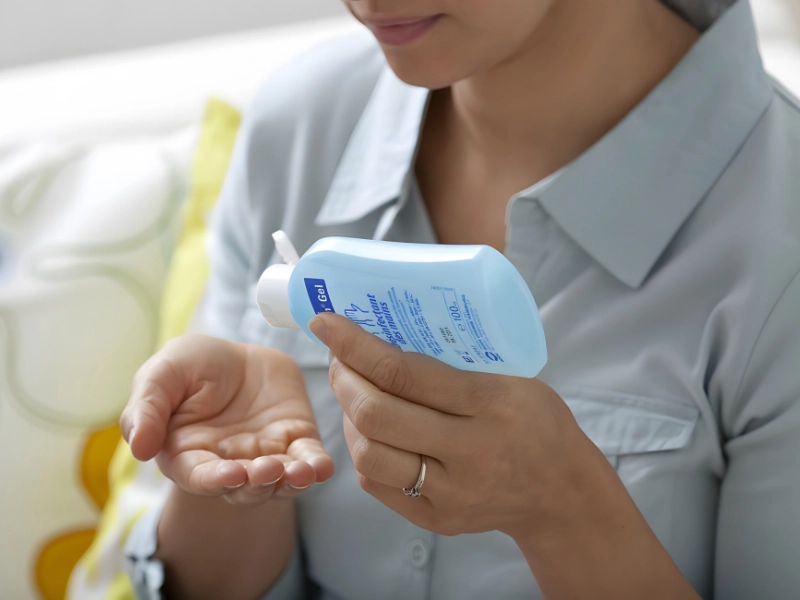
Key Points Decreased Scent: Expired antibacterial cleaners often have a diminished scent; you may not detect familiar fragrances like lemon or "fresh breeze." Labeling: The packaging of antibacterial cleaners should clearly indicate their antibacterial properties, helping consumers identify effective products. Common Antibacterial Ingredients: Typical antimicrobial substances found in cleaners include: Alcohol Triclosan Triclocarban Ammonium chloride Pine oil Chlorine bleach Conclusion To ensure effective cleaning, regularly check the expiration dates of antibacterial cleaners and be aware of their scent and labeling. Understanding common ingredients can help you choose the right products for maintaining hygiene.