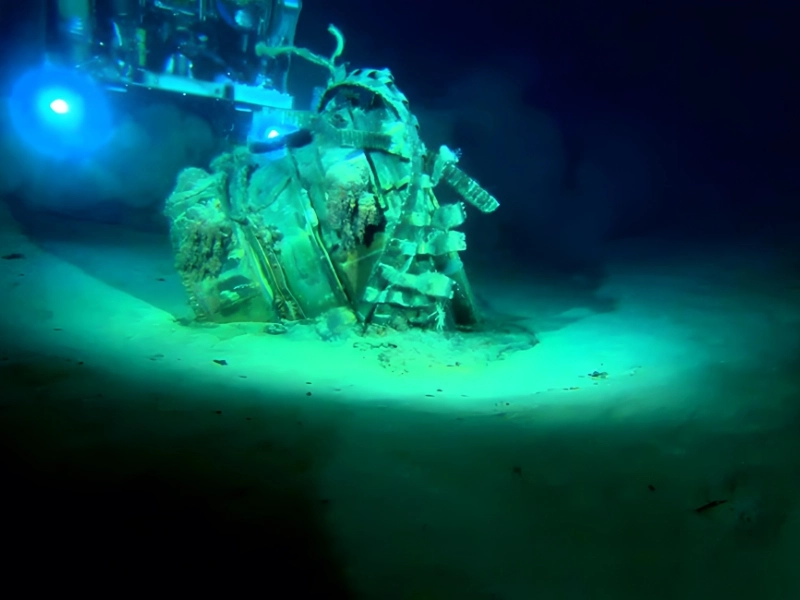
Doggerland Value as of Right Now: Unknown
Years Disappeared: B.C. 6500–6200
Discovered: 1931
Doggerland was a vast area that once connected Great Britain to continental Europe. This land bridge existed between 6,500 and 6,200 B.C. but was eventually inundated by rising sea levels, burying the connection. The Doggerland Bridge linked the eastern coast of Great Britain with what is now the Netherlands.
Conclusion The story of Doggerland illustrates the dynamic nature of our planet's geography and the impact of climate change on human habitation. Its submergence highlights the significant shifts in land and sea over millennia, while its discovery in 1931 has opened up avenues for research into prehistoric human life and migration patterns across Europe. The remnants of Doggerland continue to intrigue archaeologists and historians, shedding light on a lost world beneath the waves.
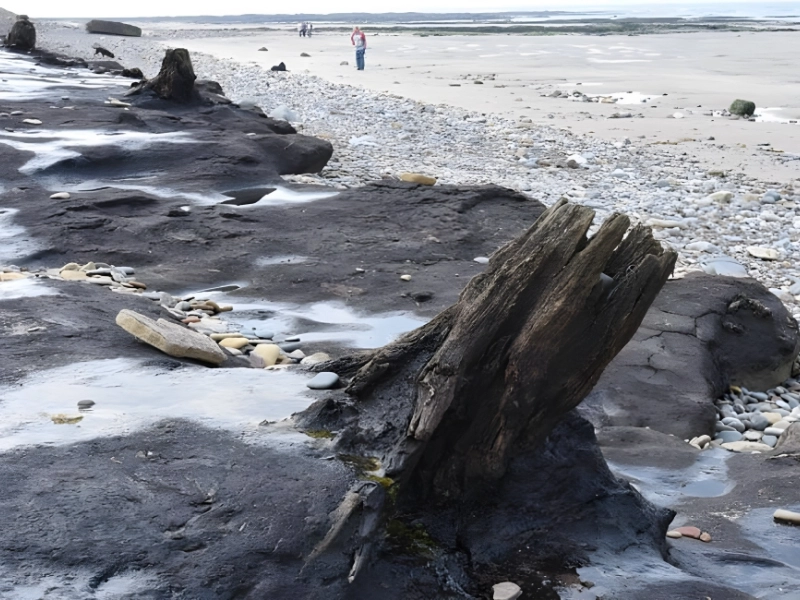
Doggerland
The Doggerland Bridge, although frequently flooded, served as a rich habitat for humans during the Mesolithic Period. Before its submersion due to a massive tsunami, the land was reduced to a series of islands. In the early 20th century, a fishing trawler exploring the area unearthed Mesolithic tools and weaponry, along with ancient fossils of lions and mammoths, leading to the rediscovery of Doggerland.
Conclusion Doggerland's significance extends beyond its geographical features; it was a vital link for early human populations. The discovery of tools and fossils highlights the rich biodiversity and human activity that once thrived in this region. As research continues, Doggerland offers invaluable insights into prehistoric life and the environmental changes that shaped human history in Europe.